
Qashqai
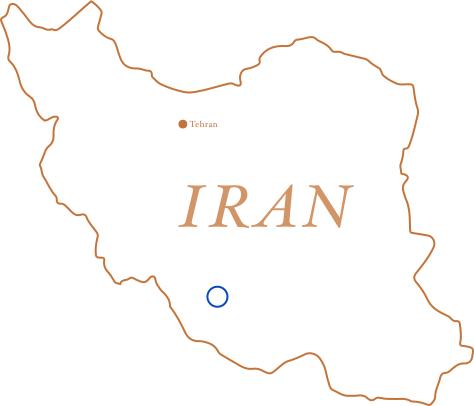
カシュガイ族は、イラン南西部ファールス州のイランを代表する遊牧民で、中央アジアやアゼルバイジャンにルーツを持つテュルク系民族が中心となっている連合体です。現代でも定住せず、遊牧する人々もいます。ザグロス山脈を行き来し、冬はペルシャ湾の方の牧草地へ、夏は涼しいザグロスの麓でテントを張り生活をします。糸紡ぎ、絨毯織は女性の仕事であり、羊の放牧、毛刈りは男性の仕事です。彼らが製作する絨毯は古代から続く神々の使いの生き物や植物などが、細かく抽象化されて織り込まれているもの、大胆に大きくライオンなどを荒い織で表現したギャベと呼ばれているものなど様々です。また綴織キリムやジャジムやスマックなどのパイル織以外の織物も有名です。これらの織物は鞍掛やサドルバッグやカバン、塩袋や布団入れなどの民具として使われてきました。
The Qashqai people are a nomadic group representing Iran in the southwestern Fars province, primarily composed of Turkic ethnicities with roots in Central Asia and Azerbaijan. Even in modern times, there are still people who do not settle, and continue to live a nomadic lifestyle. They move back and forth across the Zagros Mountains, spending winters in the pastures near the Persian Gulf and summers in tents at the cooler foothills of the Zagros. Spinning thread and weaving carpets are tasks typically performed by women, while men are responsible for herding sheep and shearing wool. The carpets they produce feature intricate abstractions of divine creatures and plants that have been passed down since ancient times, as well as bold, large representations of lions and other motifs in a coarse weave known as Gabbeh. Additionally, they are famous for other woven textiles such as kilims, jajims, and sumaks, which are not pile-woven. These textiles have been used as traditional items such as horse-cover, saddle bags, bags, salt bags, and bedding.
商品に関するお問い合わせはこちら
Click here to contact us about this product.
CONTACT商品のお問い合わせ

ミーリー工房
ペルシャ絨毯の黄金期と言われる16〜17世紀サファヴィー朝時代の手紡ぎ・草木染めによる絨毯づくりの伝統を継承し、失われつつあった部族や地域の文様や織を蘇らせています。
Being in carpet business for more than 200 years, the fifth and sixth generation of Miri family revived the tradition of golden age of Persian carpet. This phenomenon is known as Miri Renascence. Miri’s creations made by hand spun wool and vegetable dyes are in Victoria and Albert Museum, Carpet Museum of Iran and the royal palaces around the world. Miri’s weavers are in Fars, Persian Kurdistan, Hamedan, Farahan and Malayer.
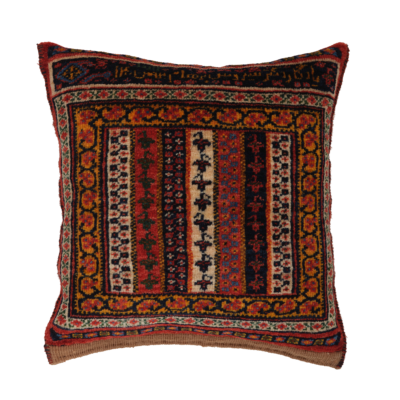
Peyvand
46 × 45 cm
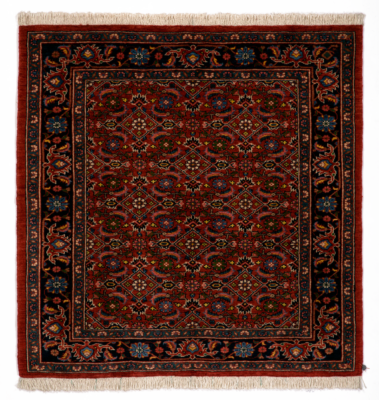
Mahsama
100 × 95 cm
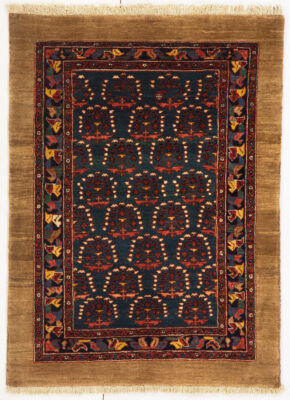
Sokout
129 × 94 cm
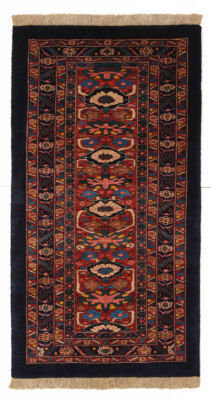
Mahsa
150 × 81 cm
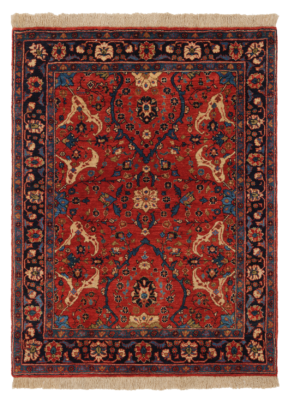
Bade Saba
132 × 101 cm
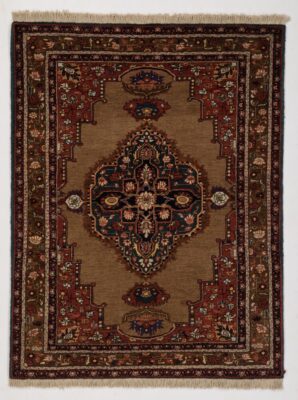
Golbanoo
142 × 106 cm
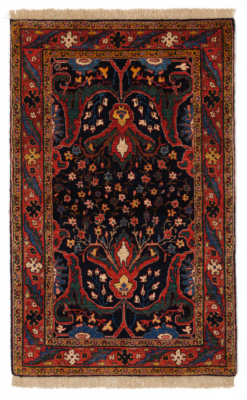
Vian
156 × 98 cm
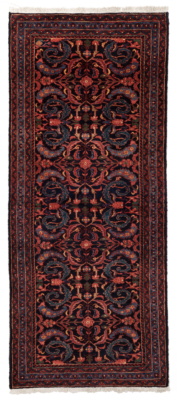
Dordaneh
191 × 81 cm
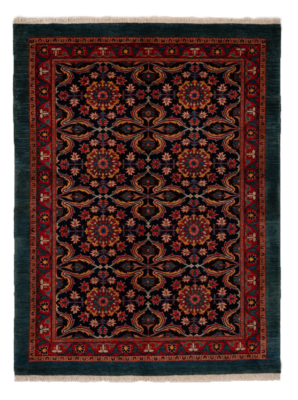
Shafa
167 × 125 cm
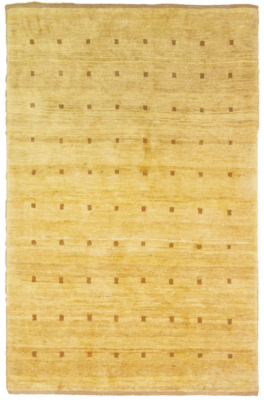
Mahdaneh
179 × 117 cm
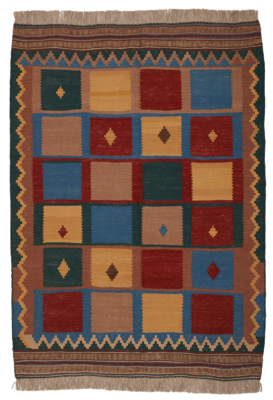
KQ.78
177 × 127 cm
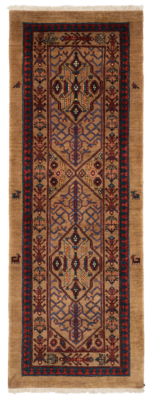
Barg
229 × 81 cm
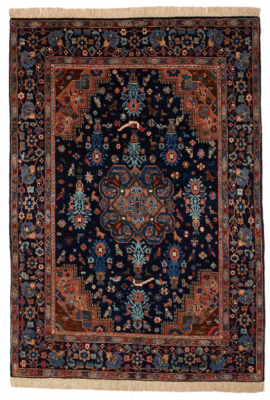
Fakhteh
196 × 136 cm
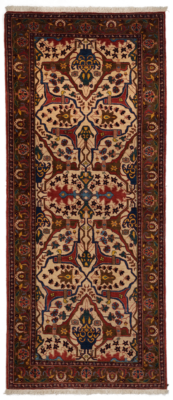
Sardar
236 × 101 cm
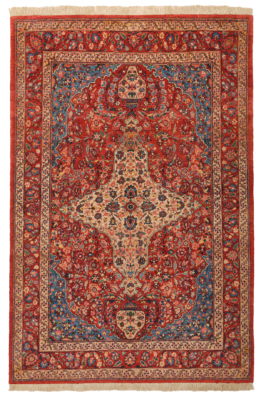
Mahpareh
215 × 142 cm
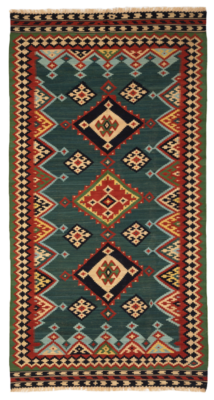
K.Q.63
247 × 132 cm
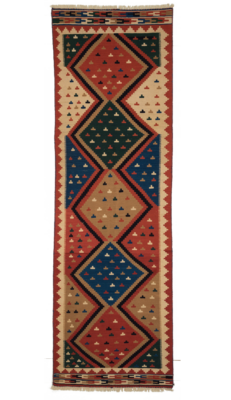
K.Q.43
296 × 90 cm
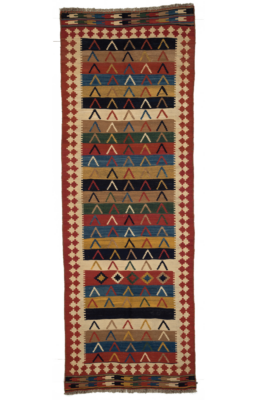
Kilim
288 × 101 cm
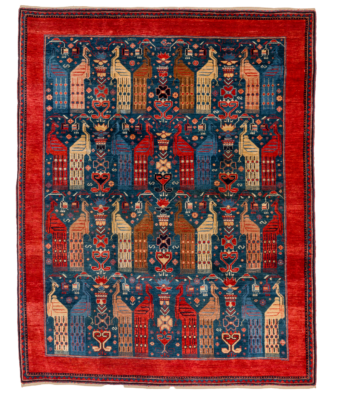
Tavoos-ha
222 × 175 cm
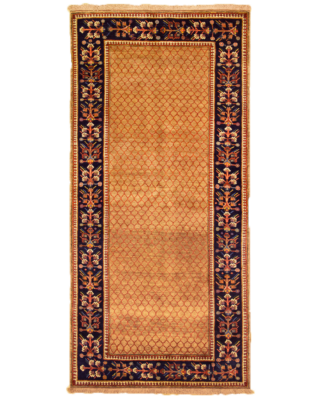
Ronak-Plain
271 × 131 cm
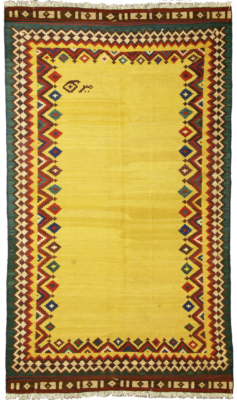
Kilim
264 × 140 cm
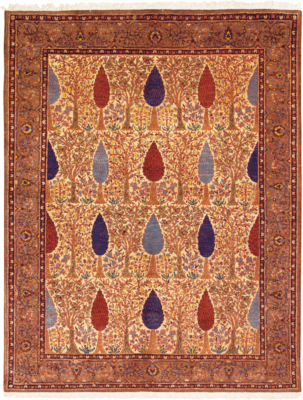
Ghalamestan
227 × 177 cm
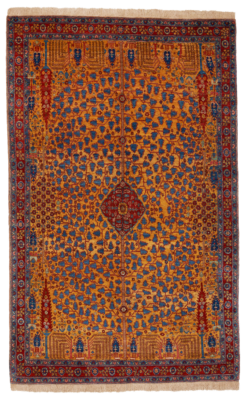
Dayan
256 × 161 cm
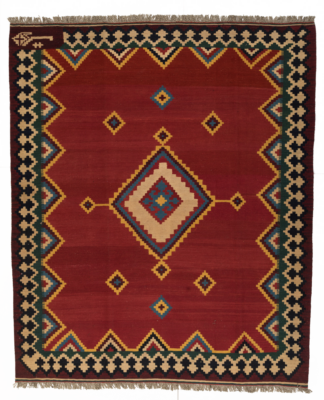
K .Q.73
239 × 200 cm
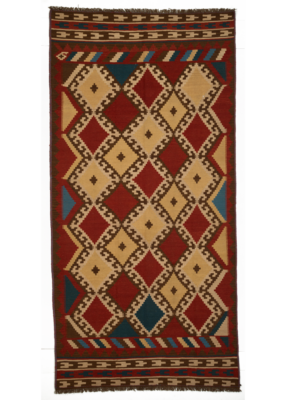
K.Q.4
293 × 148 cm
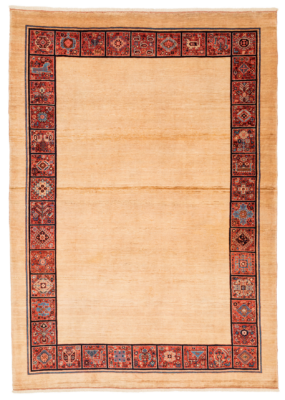
Hadish
294 × 209 cm
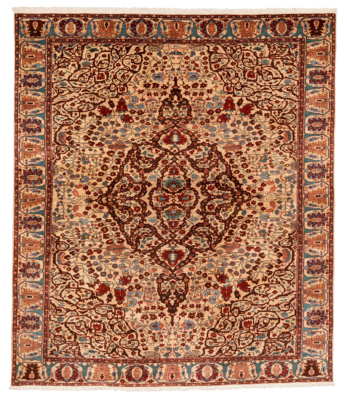
Sarmad
292 × 251 cm