
Qashqai
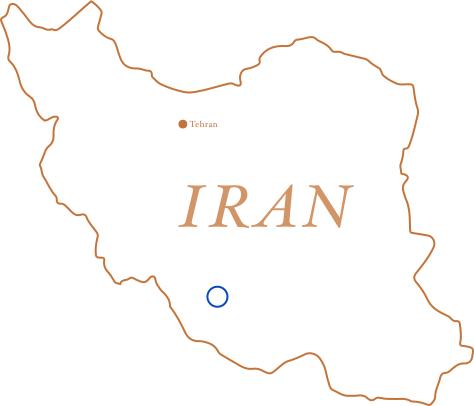
カシュガイ族は、イラン南西部ファールス州のイランを代表する遊牧民で、中央アジアやアゼルバイジャンにルーツを持つテュルク系民族が中心となっている連合体です。現代でも定住せず、遊牧する人々もいます。ザグロス山脈を行き来し、冬はペルシャ湾の方の牧草地へ、夏は涼しいザグロスの麓でテントを張り生活をします。糸紡ぎ、絨毯織は女性の仕事であり、羊の放牧、毛刈りは男性の仕事です。彼らが製作する絨毯は古代から続く神々の使いの生き物や植物などが、細かく抽象化されて織り込まれているもの、大胆に大きくライオンなどを荒い織で表現したギャベと呼ばれているものなど様々です。また綴織キリムやジャジムやスマックなどのパイル織以外の織物も有名です。これらの織物は鞍掛やサドルバッグやカバン、塩袋や布団入れなどの民具として使われてきました。
The Qashqai people are a nomadic group representing Iran in the southwestern Fars province, primarily composed of Turkic ethnicities with roots in Central Asia and Azerbaijan. Even in modern times, there are still people who do not settle, and continue to live a nomadic lifestyle. They move back and forth across the Zagros Mountains, spending winters in the pastures near the Persian Gulf and summers in tents at the cooler foothills of the Zagros. Spinning thread and weaving carpets are tasks typically performed by women, while men are responsible for herding sheep and shearing wool. The carpets they produce feature intricate abstractions of divine creatures and plants that have been passed down since ancient times, as well as bold, large representations of lions and other motifs in a coarse weave known as Gabbeh. Additionally, they are famous for other woven textiles such as kilims, jajims, and sumaks, which are not pile-woven. These textiles have been used as traditional items such as horse-cover, saddle bags, bags, salt bags, and bedding.
商品に関するお問い合わせはこちら
Click here to contact us about this product.
CONTACT商品のお問い合わせ

ソレマニエ・フィニィ工房
17世紀サファヴィー朝時代の王室工房の絨毯や19世紀の絨毯を手紡ぎ・草木染めによる伝統的な手法で再創造しています。北東部トルクメンの古典柄を復活させ、120年途絶えていたアゼルバイジャン地方の希少な真珠織の技術を現在、唯一継承しています。
Soleymanieh Fini family have been in Carpet and Velvet business for generations in Kashan located in the center of Iran. Soleymanieh Fini is not only reviving the Safavid and Qajar royal workshop carpets by using traditional methods of Hand spinning and vegetable dying, but also innovating new weavings such as Tsurukusaori which is finely woven by silk. Soleymanieh Fini’s weavers are in Kashan, Azerbaijan province and Turkmens in northeast of Iran.
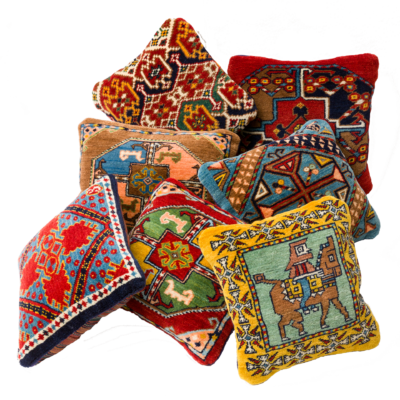
Cushion
40 × 40 cm
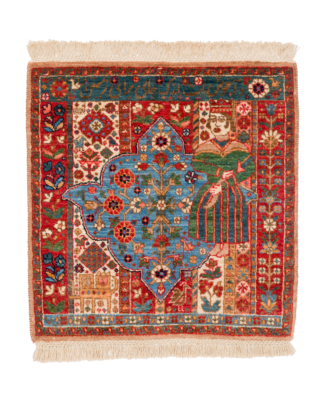
Aghoosh
68 × 66 cm
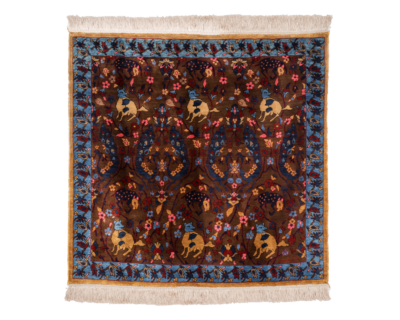
Borchin
70 × 67 cm
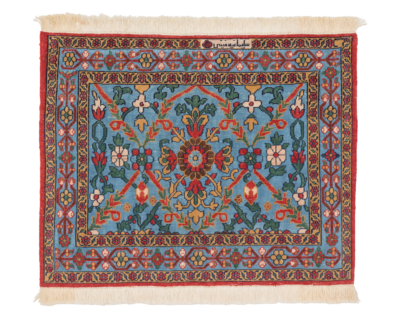
Armin
72 × 92 cm
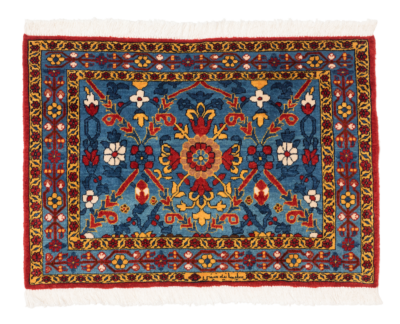
Armin
68 × 98 cm
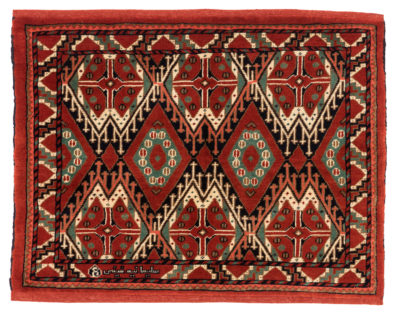
Ayna
79 × 97 cm
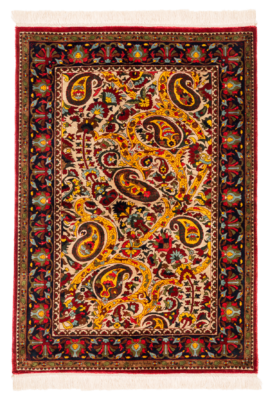
Aydan
105 × 73 cm
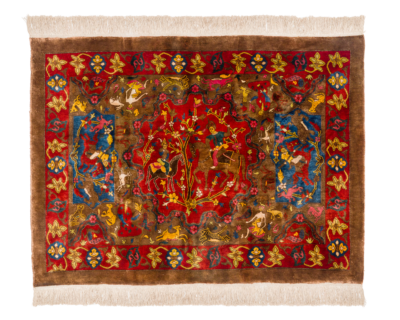
Shahzad
80 × 108 cm
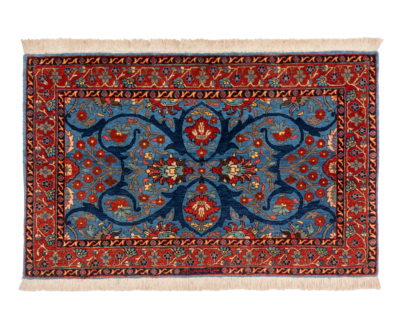
Mavi
78 × 125 cm
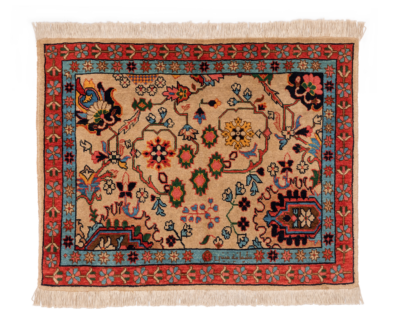
Salva
90 × 114 cm
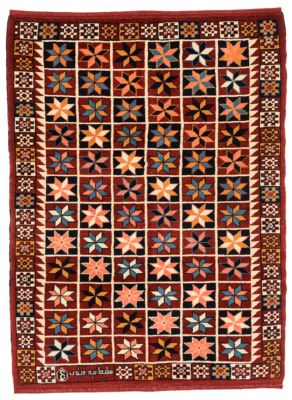
Maysa
125 × 95 cm
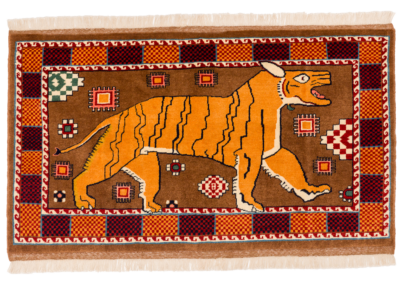
Babr
140 × 85 cm
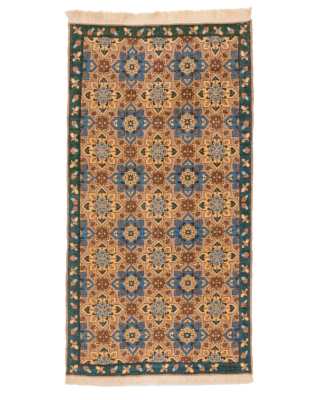
Elya
151 × 80 cm
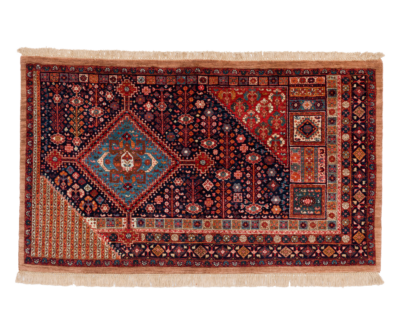
Chalipa
150 × 89 cm
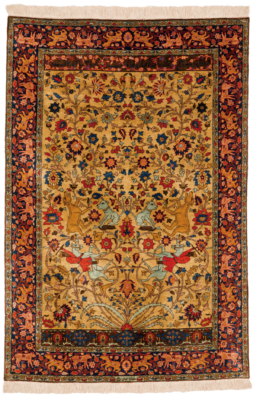
Omid
150 × 100 cm
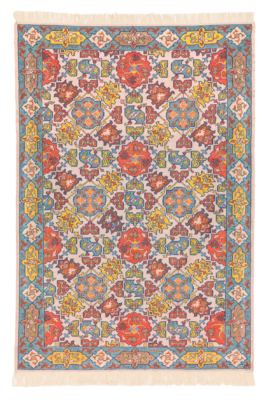
Bojagli
150 × 104 cm
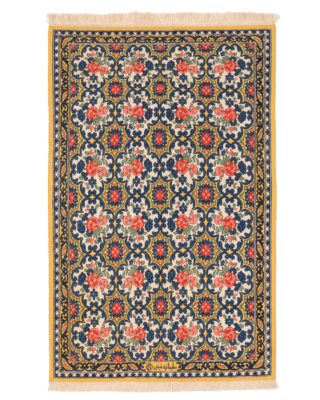
Hoora
160 × 102 cm
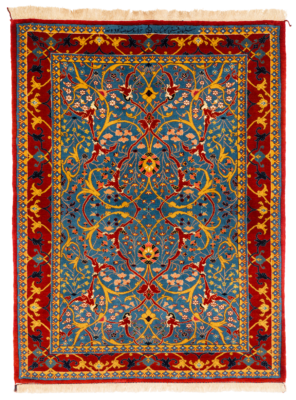
Sari
151 × 114 cm
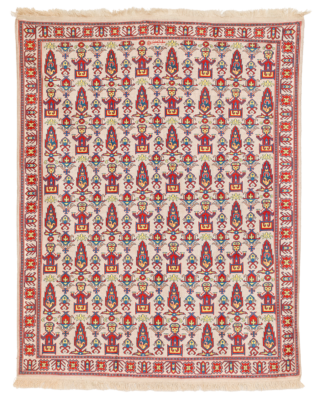
Adamak
165 × 129 cm
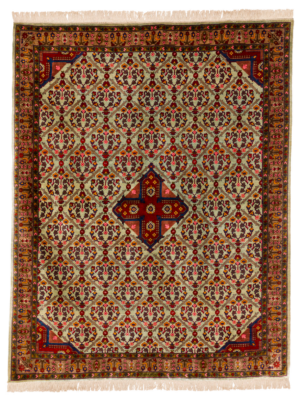
Narmila
165 × 130 cm
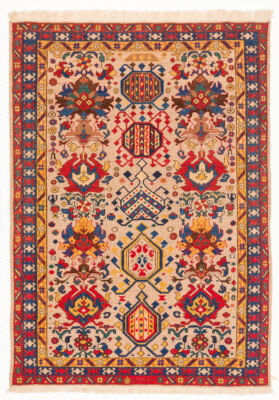
Aygol
171 × 124 cm
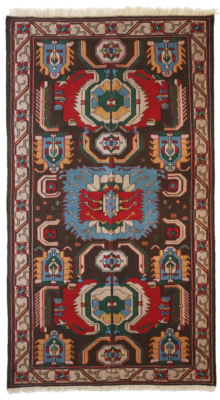
Galan
192 × 107 cm
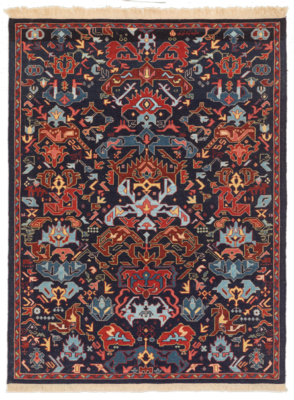
Tara
169 × 130 cm
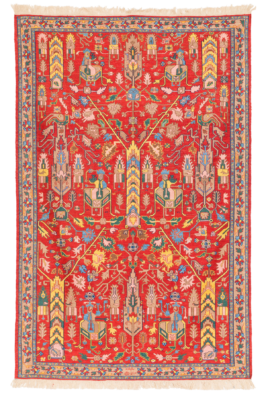
Ronas
187 × 121 cm
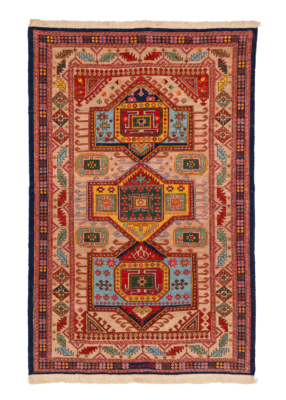
Nikan
191 × 126 cm
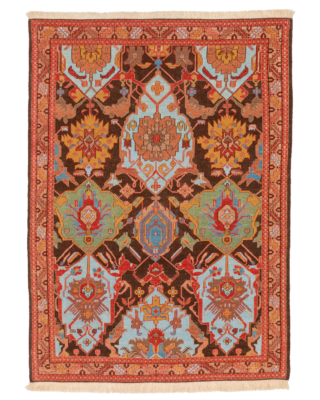
Azar
193 × 139 cm
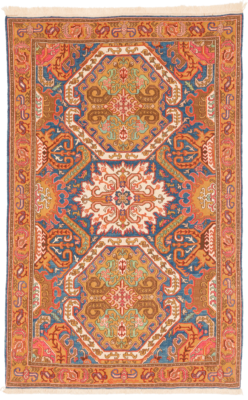
Elay
205 × 129 cm
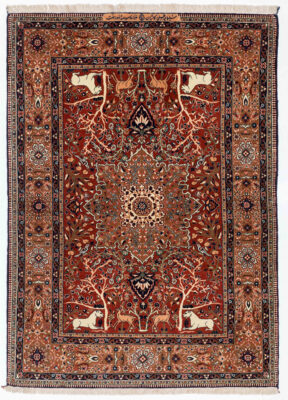
Vohoosh
199 × 145 cm
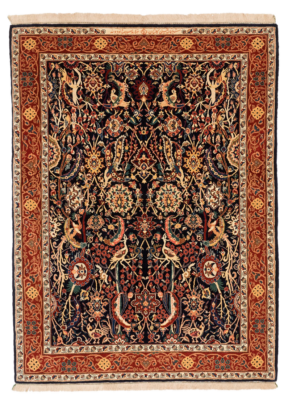
Parandeh
198 × 147 cm
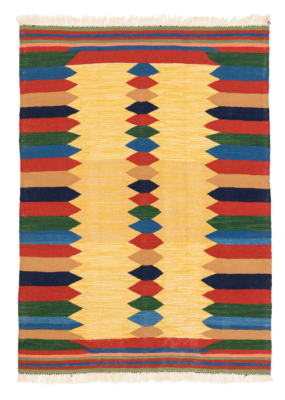
Gheisi
202 × 147 cm
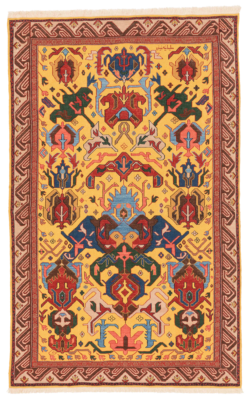
Malan
219 × 137 cm
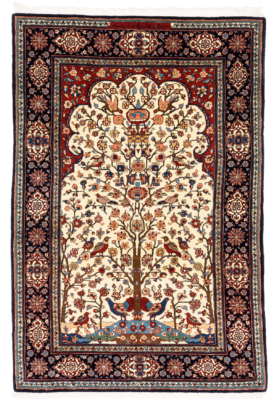
Derakhte Zedengi
223 × 150 cm
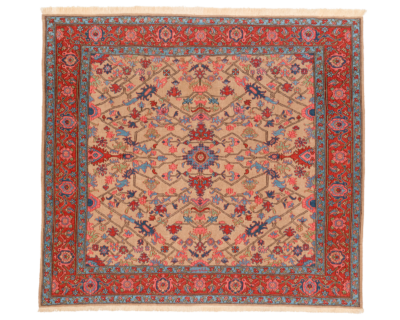
Lida
185 × 204 cm
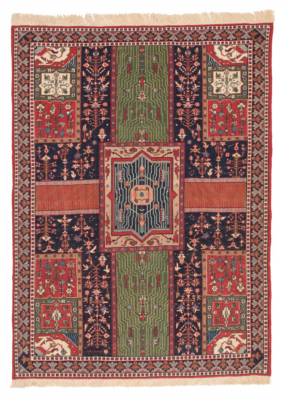
Deniz
229 × 168 cm
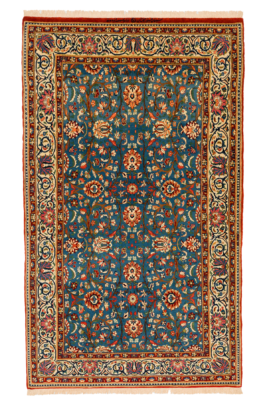
Romina
250 × 149 cm
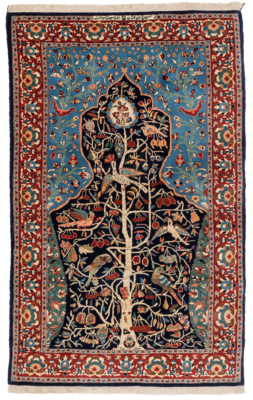
Pardis
245 × 154 cm
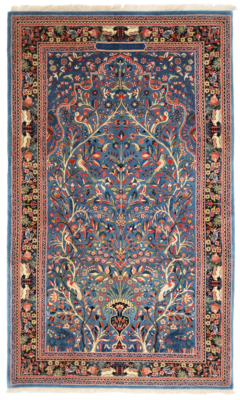
Ahoo
250 × 152 cm
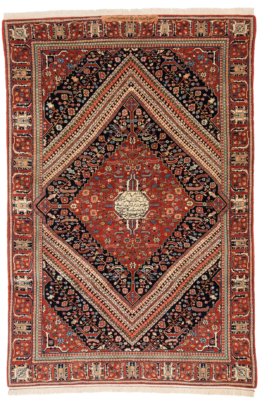
Farrokh khan
298 × 200 cm
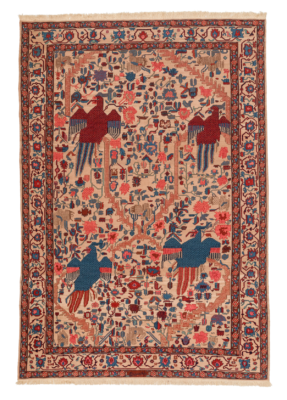
Nagme
300 × 206 cm
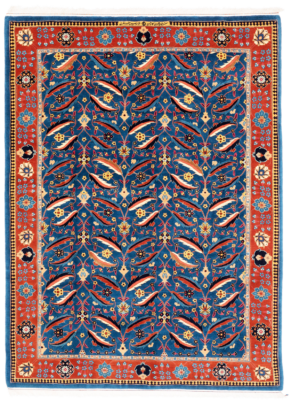
Roodkhaneh
293 × 217 cm
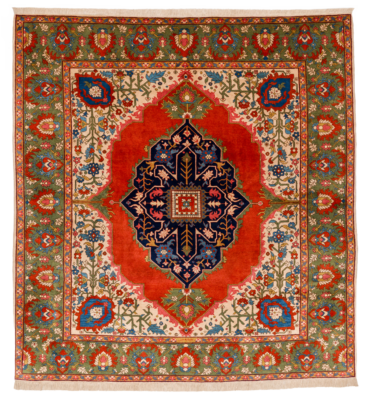
Osan
270 × 250 cm
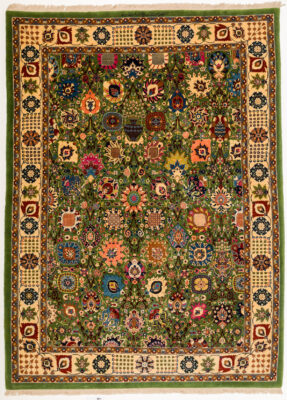
Bahar
302 × 223 cm

Arsin
322 × 220 cm
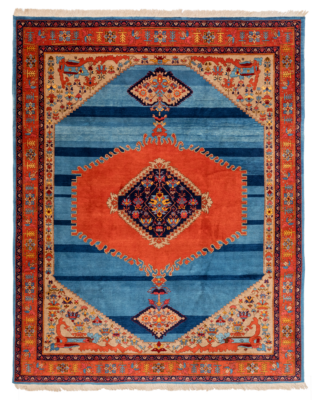
Aydin
303 × 243 cm
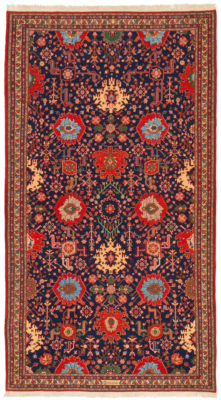
Jaleh
350 × 196 cm
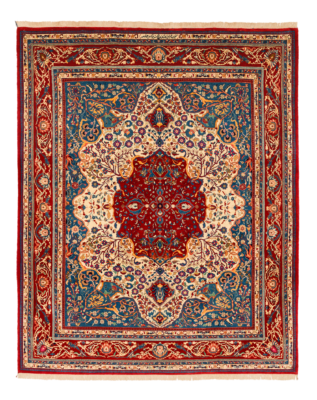
Tabassom
312 × 253 cm
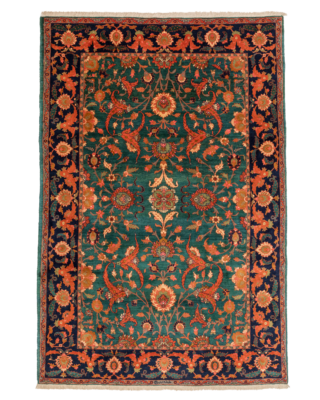
Mahnour
304 × 296 cm
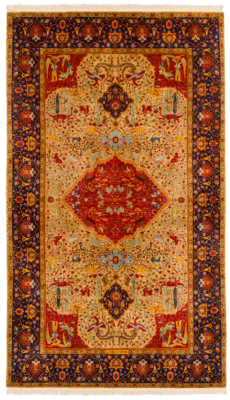
Jila
425 × 245 cm